** insert photo of me as kid with Petey
I am the kid who always loved animals. From our beloved family cats, to the birds and deer outside my window, to the amazing creatures who walked, swam, or flew in far distant lands, I related to animals and found myself concerned with their wellbeing.
I was a vegetarian in my teens, and first experimented with veganism when I got to college. I’d found a book about the vegan lifestyle, and coupled with childhood memories of seeing pamphlets of harrowing photos of veal calves and pigs crammed into gestation crates, I decided to forgo animal foods. Like many college students, I knew nothing about putting together a balanced diet while living on my own, working with dining hall options. As a new vegan in the days before anyone had even heard of oat milk or vegan burgers, I subsisted on carrots, plain salads, and rice cakes spread with peanut butter. On weekends I would order pizza with friends, pull the cheese off my slices, and call it dinner! Needless to say, that didn’t work out too well, so I went back to my vegetarian ways as a compromise. Over the next decade I flirted with veganism, went back and forth, even tried eating meat again at times. But all the while, my heart was vegan. That’s how it felt, and still feels to me today. What got me in the door was my concern for animals in the food system, and even though it became a revolving door, I never left completely.
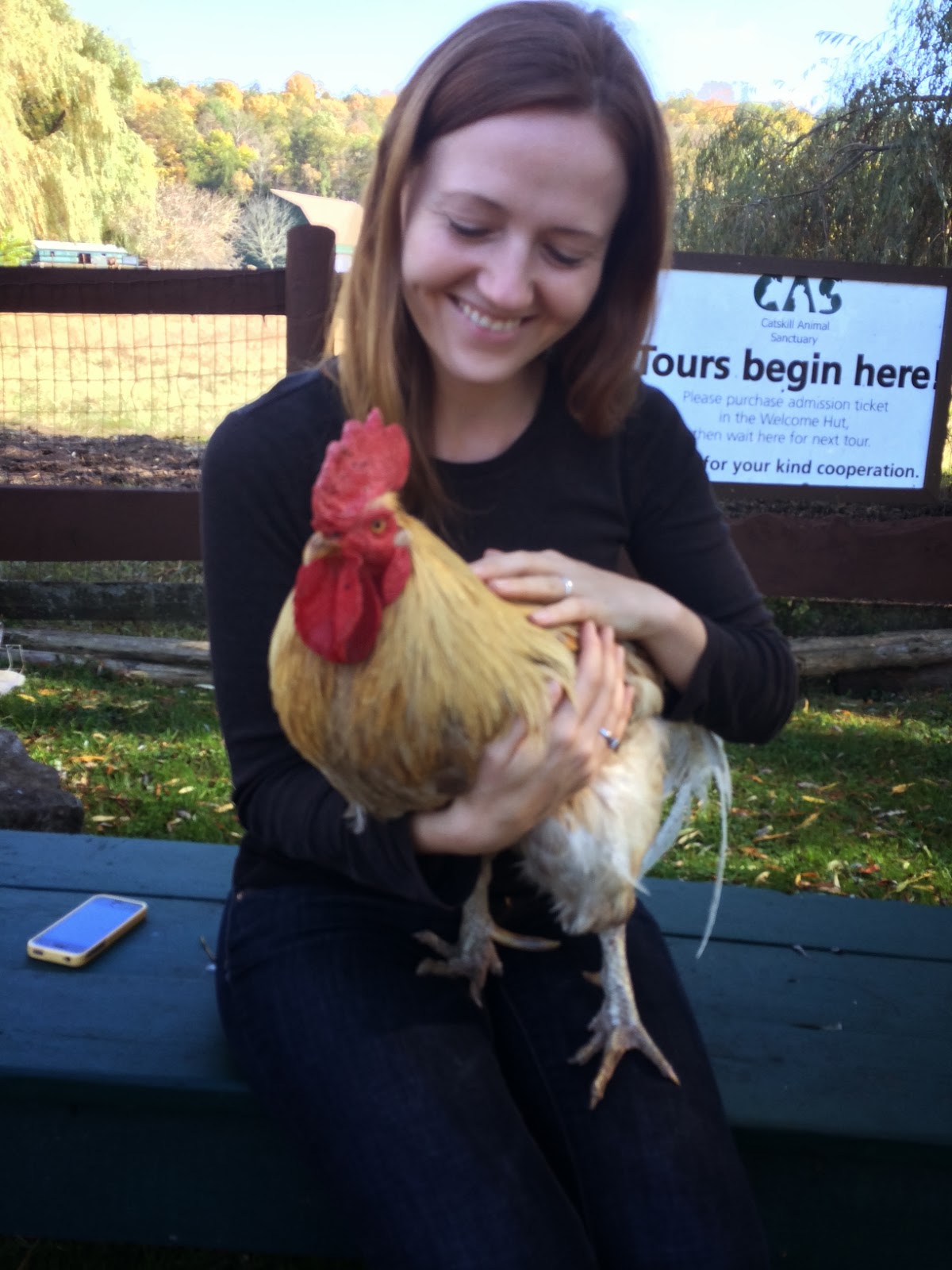
Eventually, I figured out there was more to veganism than limp lettuce and cheese-less pizza. I learned more and more about healthy eating, cooked kale for the first time, and even successfully recreated vegan versions of my favorites (I’m a mac ‘n cheese fanatic!), and I started to feel better in ways I hadn’t anticipated. Lifelong asthma and a propensity towards getting every cold or bug that came around vanished. I could breathe easier, maintain a healthy weight for my build, and I had more energy than ever. Feeling healthy was a nice side effect of choosing a diet with the hopes to minimize animal suffering.
Over time, I have been so stirred by the ways that a vegan or plant-based diet can benefit our planet’s fragile resources and ecosystems, and combat certain instigators of climate change, which in today’s world feels more important than ever. It was like I’d come across the secret to the universe! Or at least to a happy, healthy and meaningful life. Being vegan continues to be one of the best things I have ever done.
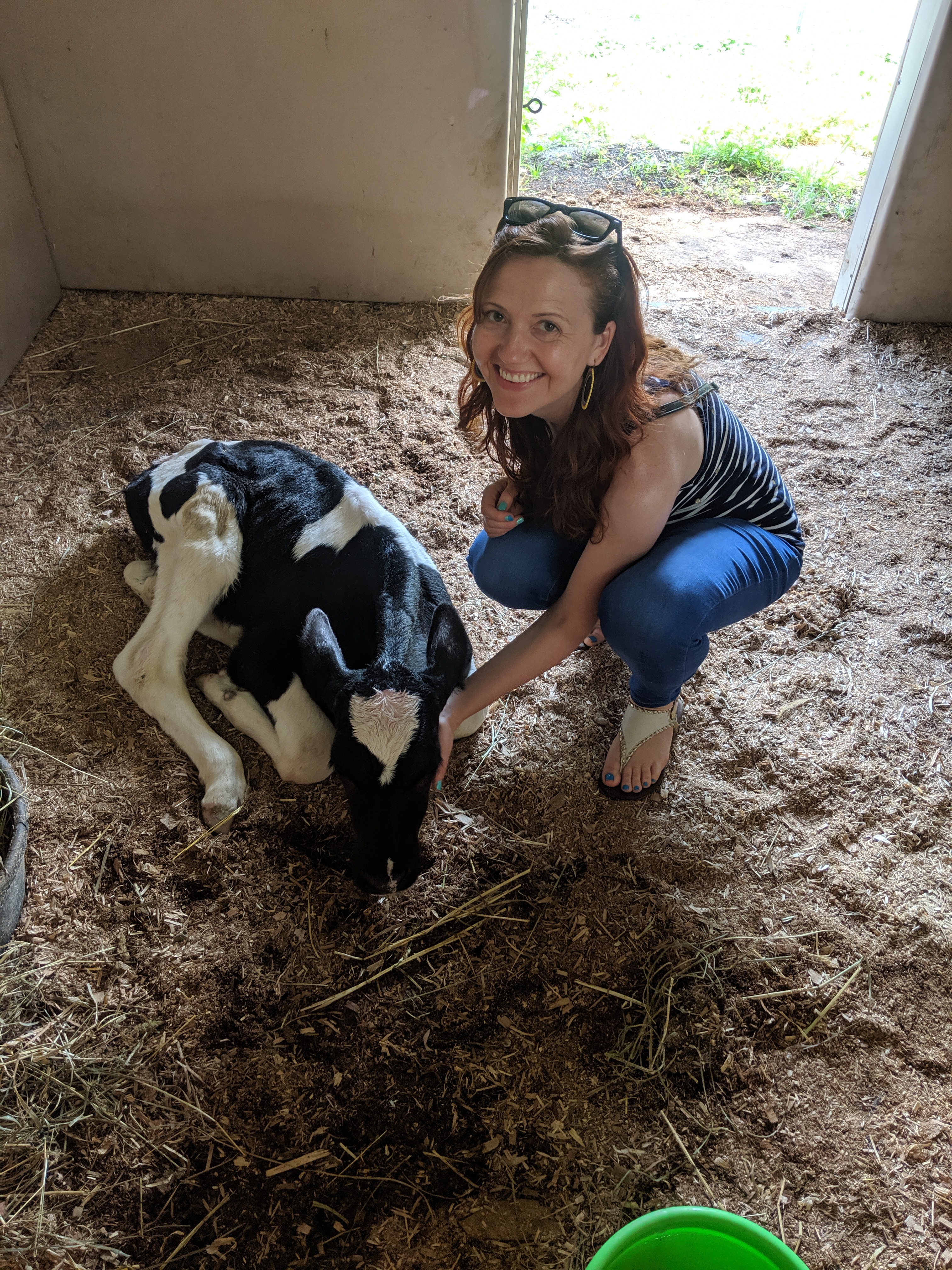
And I’m not perfect– my journey was twisty turny and I went back and forth a lot, before landing on my commitment to the vegan path. So I know what it’s like to take steps forward and backward. In my view there is actually no “backward” as long as you are trying and being compassionate to yourself, and to others. I really hope my experience can be helpful to anyone else out there who feels a desire to become vegan, or more plant-based, but it feels impossible. It truly isn’t! It’s ok if you take it in small steps, or even have to re-chart your course now and again.
There are many resources online that provide cutting-edge research on the benefits of a vegan or plant-based diet. Here are a few to get you started:
Environment
- Going vegan can save over 200,000 gallons of water a year
- Animal agriculture is a main cause of deforestation
- A vegan diet can cut greenhouse gases in half
- Research shows animal agriculture contributes to biodiversity loss and threatens species extinction
- Growing plant foods requires five times less water than producing animal-based foods
“Studies have found that if everyone went vegan, emissions contributing to global warming would be cut by 70%, enough to stop and reverse the harmful effects of climate change including rising sea levels, floods, melting glaciers, and droughts.” (futurekind.com)
Ethics
- Growing crops exclusively for human consumption, instead of the majority of it going to feed livestock, would feed an additional 4 billion people worldwide
- USA Today reports that each meat-eating individual eats 7,000 animals (including fish) over their lifetimes. Going vegan spares about 100 animal lives per year.
- Farm animals are sentient! Spend 5 minutes with any farm animal and you’ll instantly see their unique personalities, intelligence, and emotional range. Science is now catching up on this:
- https://www.ciwf.org.uk/media/3816920/stop-look-listen-summary.pdf
- Farm Sanctuary’s profile of animals: https://www.farmsanctuary.org/animals/
Health
The Academy of Nutrition and Dietetics did an extensive study of vegetarian and vegan diets, and came up with this statement of support:
“It is the position of the Academy of Nutrition and Dietetics that appropriately planned vegetarian, including vegan, diets are healthful, nutritionally adequate, and may provide health benefits for the prevention and treatment of certain diseases. These diets are appropriate for all stages of the life cycle, including pregnancy, lactation, infancy, childhood, adolescence, older adulthood, and for athletes. Plant-based diets are more environmentally sustainable than diets rich in animal products because they use fewer natural resources and are associated with much less environmental damage. Vegetarians and vegans are at reduced risk of certain health conditions, including ischemic heart disease, type 2 diabetes, hypertension, certain types of cancer, and obesity. Low intake of saturated fat and high intakes of vegetables, fruits, whole grains, legumes, soy products, nuts, and seeds (all rich in fiber and phytochemicals) are characteristics of vegetarian and vegan diets that produce lower total and low-density lipoprotein cholesterol levels and better serum glucose control. These factors contribute to reduction of chronic disease.”
 FIVE SEASON VEGAN